
Our pruducts
Our pruducts
Filters
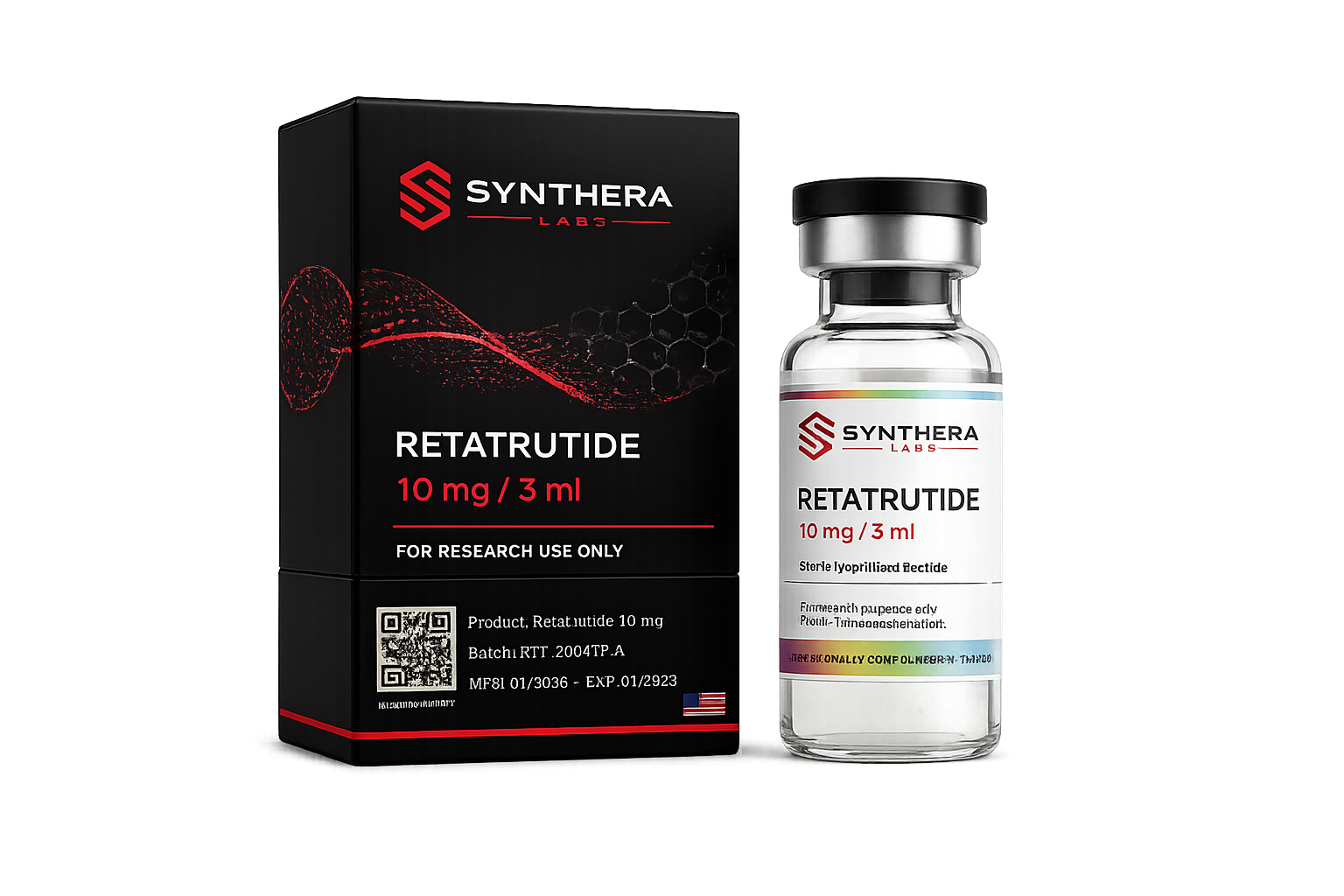
Retatrutide 10 mg is a next-generation research peptide designed as a triple receptor agonist, targeting the GLP-1, GIP, and glucagon receptor pathways involved in metabolic regulation, energy balance, appetite signaling, insulin sensitivity, and substrate utilization.
As a multi-pathway metabolic compound, Retatrutide has gained significant attention in advanced obesity, body composition, and metabolic research due to its ability to engage complementary incretin and glucagon-related mechanisms within a single molecular platform.
Synthera Labs presents Retatrutide as part of its precision peptide system, integrating global API raw material sourcing, analytical documentation review, downstream processing, batch traceability, and QR-linked verification.
Product format: Lyophilized peptide
Concentration: 10 mg
Category: Metabolic Research
Pathways: GLP-1 / GIP / Glucagon
Use: Research use only
Supplier documentation for Retatrutide raw material includes COA parameters such as purity, assay, peptide content, residual solvent data, water content, endotoxin conformity, and mass spectrum confirmation. The uploaded HHDPharma COA lists Retatrutide CAS 2381089-83-2, batch HHD20250604, purity 99.35%, assay 99.7%, peptide content 92.5%, endotoxin conformity, and mass spectrum conformity.
The supplier HPLC report also shows a main chromatographic peak at 13.989 min with an area percentage of 99.4506% at 220 nm, supporting the purity profile of the analyzed sample.
Disclaimer: This product is intended for laboratory research purposes only. Not for human consumption, diagnostic use, therapeutic use, or clinical application.
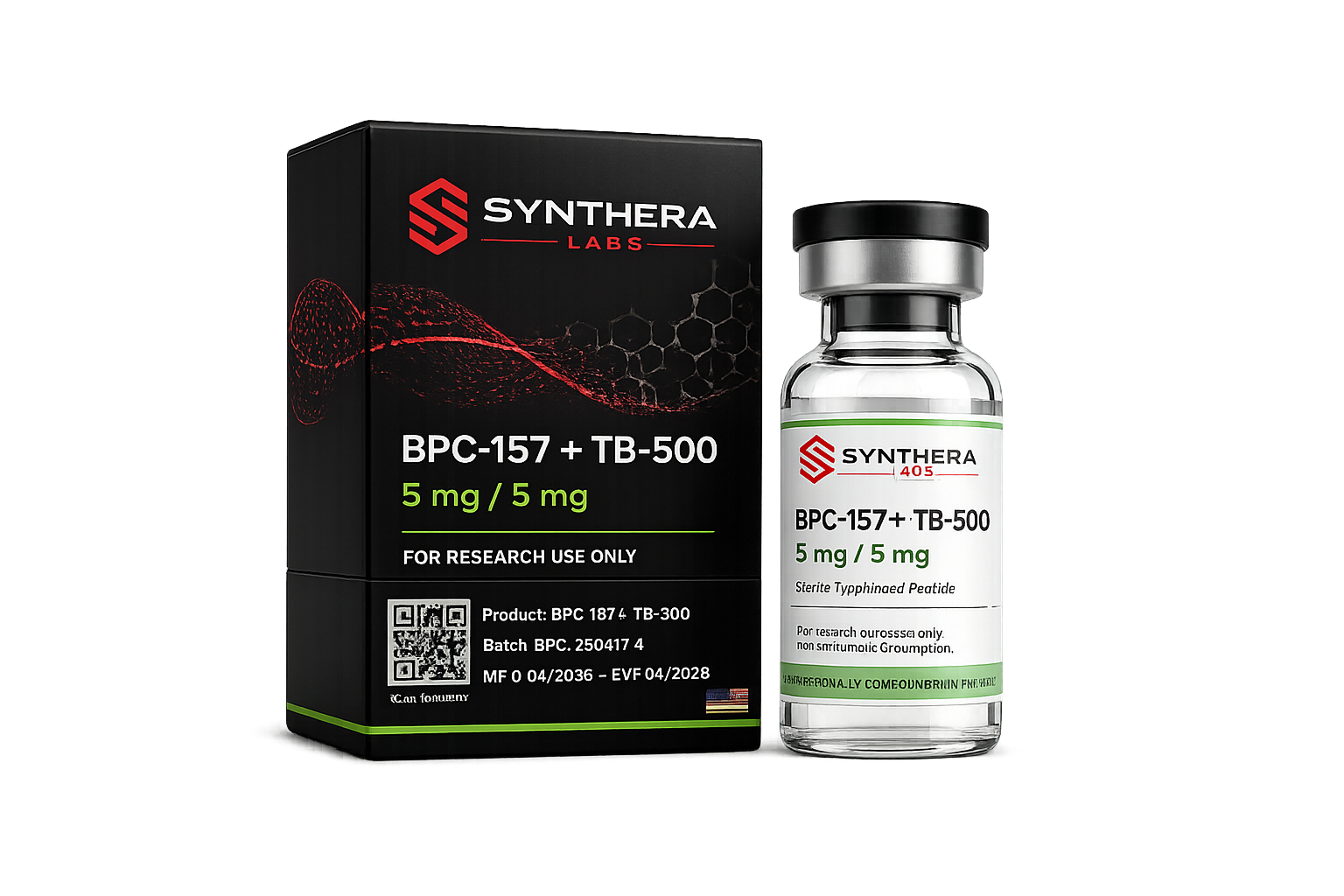
BPC-157 + TB-500 is a dual-peptide research blend designed for advanced studies related to tissue repair signaling, extracellular matrix remodeling, inflammatory modulation, angiogenic pathways, and cellular recovery mechanisms.
This formulation combines two extensively researched regenerative peptides:
BPC-157, a synthetic peptide fragment associated with gastric pentadecapeptide research, commonly studied for its role in fibroblast activity, collagen organization, angiogenesis, tendon-ligament models, intestinal barrier integrity, and local tissue repair signaling.
TB-500, a synthetic version of a thymosin beta-4 related peptide fragment, studied for its influence on actin regulation, cell migration, tissue remodeling, wound-healing pathways, and recovery-related cellular processes.
Together, BPC-157 and TB-500 are commonly investigated as a complementary regenerative peptide system due to their potential interaction with tissue repair, mobility, inflammatory balance, and structural recovery models.
Product format: Lyophilized peptide blend
Concentration: 10 mg total
Category: Regenerative Research
Peptide system: BPC-157 + TB-500
Use: Research use only
Synthera Labs presents this compound as part of its regenerative research line, supported by global raw material sourcing, analytical documentation review, downstream processing standards, batch traceability, and QR-linked verification.
Disclaimer: This product is intended for laboratory research purposes only. Not for human consumption, diagnostic use, therapeutic use, or clinical application.
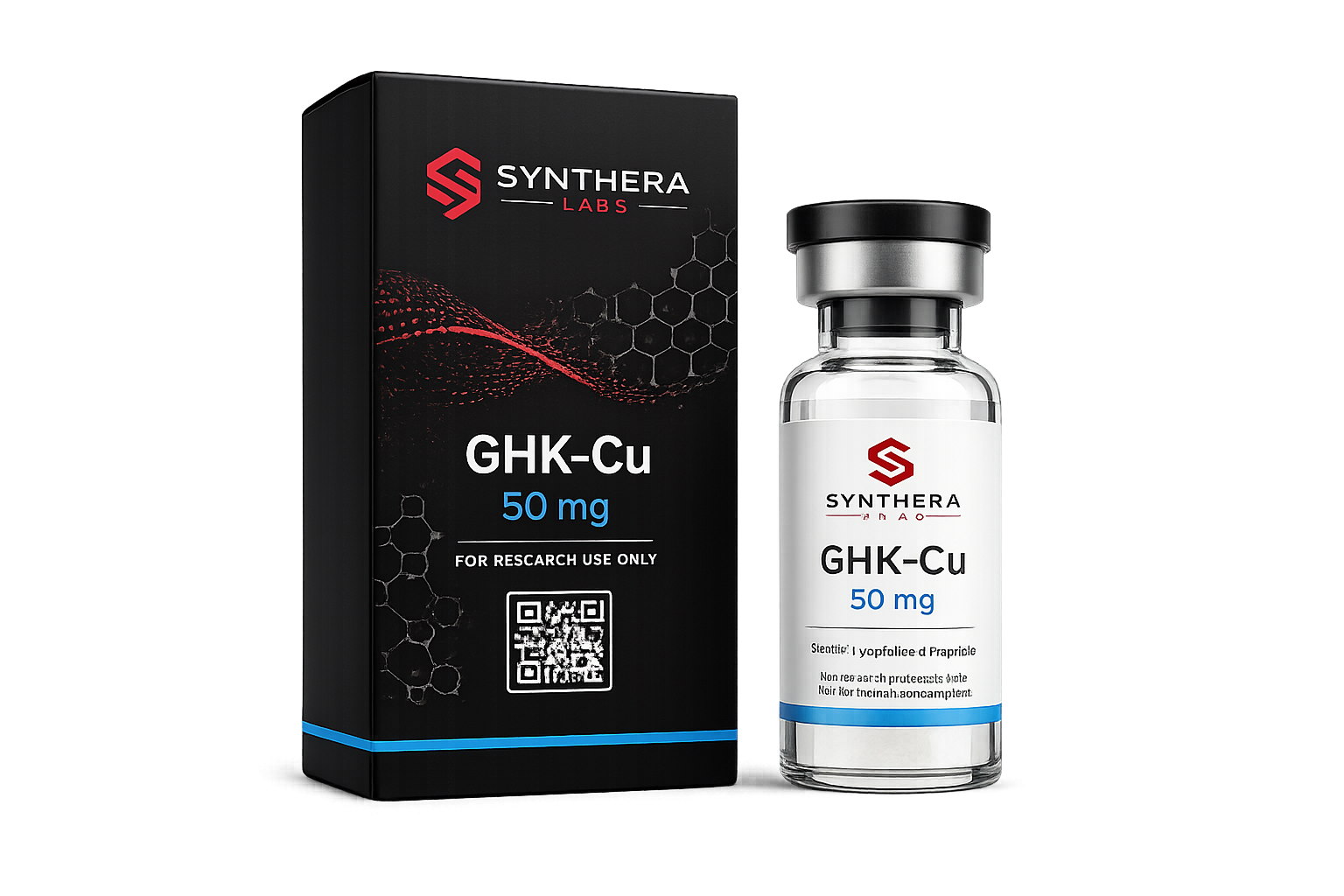
GHK-Cu 50 mg is a copper-binding research peptide complex studied for its role in skin remodeling, extracellular matrix regulation, collagen synthesis signaling, wound-healing pathways, antioxidant defense, and regenerative tissue models.
GHK-Cu is a naturally occurring tripeptide complex composed of glycyl-L-histidyl-L-lysine bound to copper, commonly investigated in aesthetic, dermatological, and regenerative research due to its interaction with biological processes related to tissue repair and structural protein regulation.
Research models have explored GHK-Cu for its potential involvement in:
collagen and elastin-associated pathways
fibroblast activity
extracellular matrix remodeling
wound-healing signaling
skin quality and tissue regeneration models
oxidative stress modulation
hair follicle and scalp-related research pathways
Synthera Labs presents GHK-Cu as part of its aesthetic and regenerative research line, supported by global raw material sourcing, analytical documentation review, downstream processing standards, batch traceability, and QR-linked verification.
Product format: Lyophilized peptide
Concentration: 50 mg
Category: Aesthetic / Regenerative Research
Peptide system: GHK-Cu
Use: Research use only
Disclaimer: This product is intended for laboratory research purposes only. Not for human consumption, diagnostic use, therapeutic use, or clinical application.
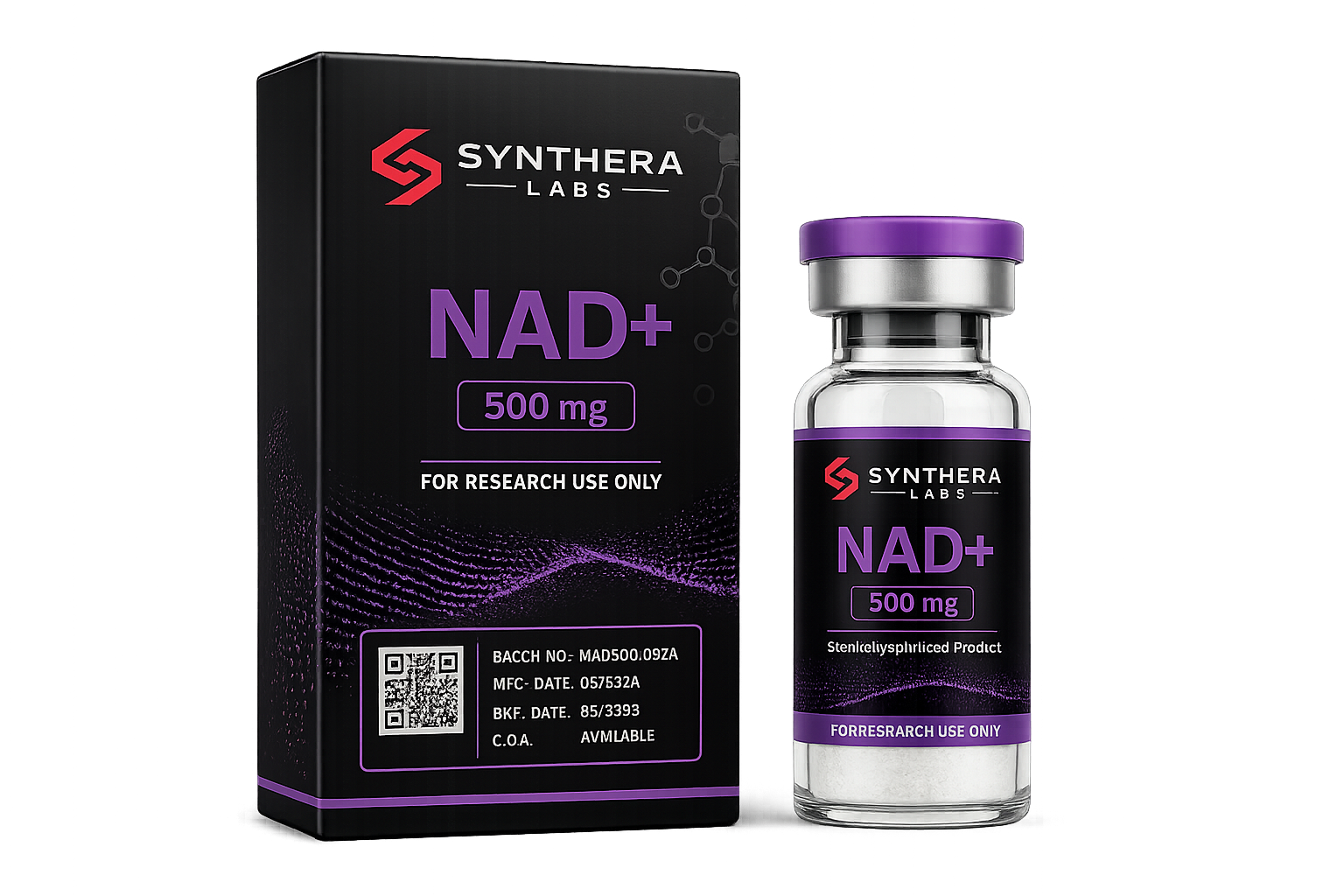
NAD+ 500 mg is a nucleotide-derived research compound studied for its central role in cellular energy metabolism, mitochondrial function, redox balance, DNA repair pathways, and longevity-related biological processes.
NAD+ — nicotinamide adenine dinucleotide — is an essential coenzyme involved in multiple cellular reactions, particularly those related to energy production, oxidative metabolism, enzymatic signaling, and cellular stress response.
Research models have explored NAD+ for its involvement in:
mitochondrial energy production
redox regulation
cellular repair mechanisms
sirtuin-associated pathways
metabolic efficiency
oxidative stress response
aging-related cellular decline models
neurological and systemic energy metabolism research
Synthera Labs presents NAD+ as part of its mitochondrial and longevity research line, supported by global raw material sourcing, analytical documentation review, downstream processing standards, batch traceability, and QR-linked verification.
Product format: Lyophilized compound
Concentration: 500 mg
Category: Mitochondrial / Longevity Research
Compound system: NAD+
Use: Research use only
Disclaimer: This product is intended for laboratory research purposes only. Not for human consumption, diagnostic use, therapeutic use, or clinical application.
Versión corta para Squarespace
NAD+ 500 mg is a mitochondrial and longevity research compound studied for its role in cellular energy metabolism, redox balance, mitochondrial function, DNA repair pathways, enzymatic signaling, and cellular stress response.
As part of Synthera Labs’ mitochondrial research line, NAD+ is designed for advanced laboratory investigation with batch traceability and QR-linked verification.
Format: Lyophilized compound
Concentration: 500 mg
Category: Mitochondrial / Longevity Research
Use: Research use only
For laboratory research purposes only. Not for human consumption.
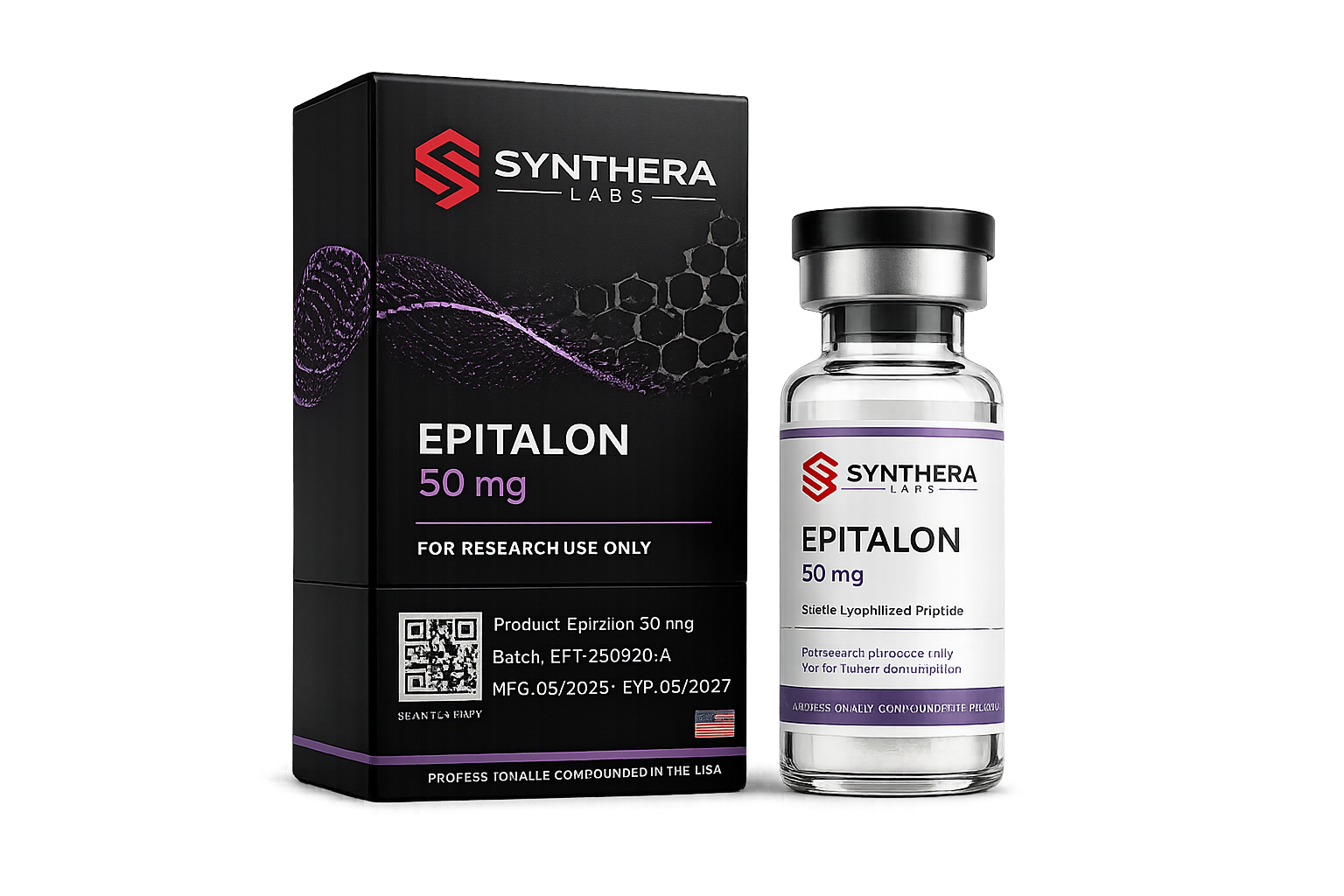
Epitalon 50 mg is a synthetic tetrapeptide research compound studied for its potential role in cellular aging models, telomere biology, circadian regulation, antioxidant defense, pineal peptide signaling, and longevity-related biological processes.
Epitalon is commonly investigated in research models related to cellular senescence, oxidative stress modulation, gene expression regulation, melatonin-associated pathways, and age-related functional decline.
Research areas commonly associated with Epitalon include:
telomere-associated cellular aging models
oxidative stress regulation
circadian rhythm and pineal gland signaling
longevity and senescence research
cellular repair pathways
immune and metabolic aging models
neuroendocrine regulation research
Synthera Labs presents Epitalon as part of its longevity research line, supported by global raw material sourcing, analytical documentation review, downstream processing standards, batch traceability, and QR-linked verification.
Product format: Lyophilized peptide
Concentration: 50 mg
Category: Longevity / Cellular Aging Research
Peptide system: Epitalon
Use: Research use only
Disclaimer: This product is intended for laboratory research purposes only. Not for human consumption, diagnostic use, therapeutic use, or clinical application.
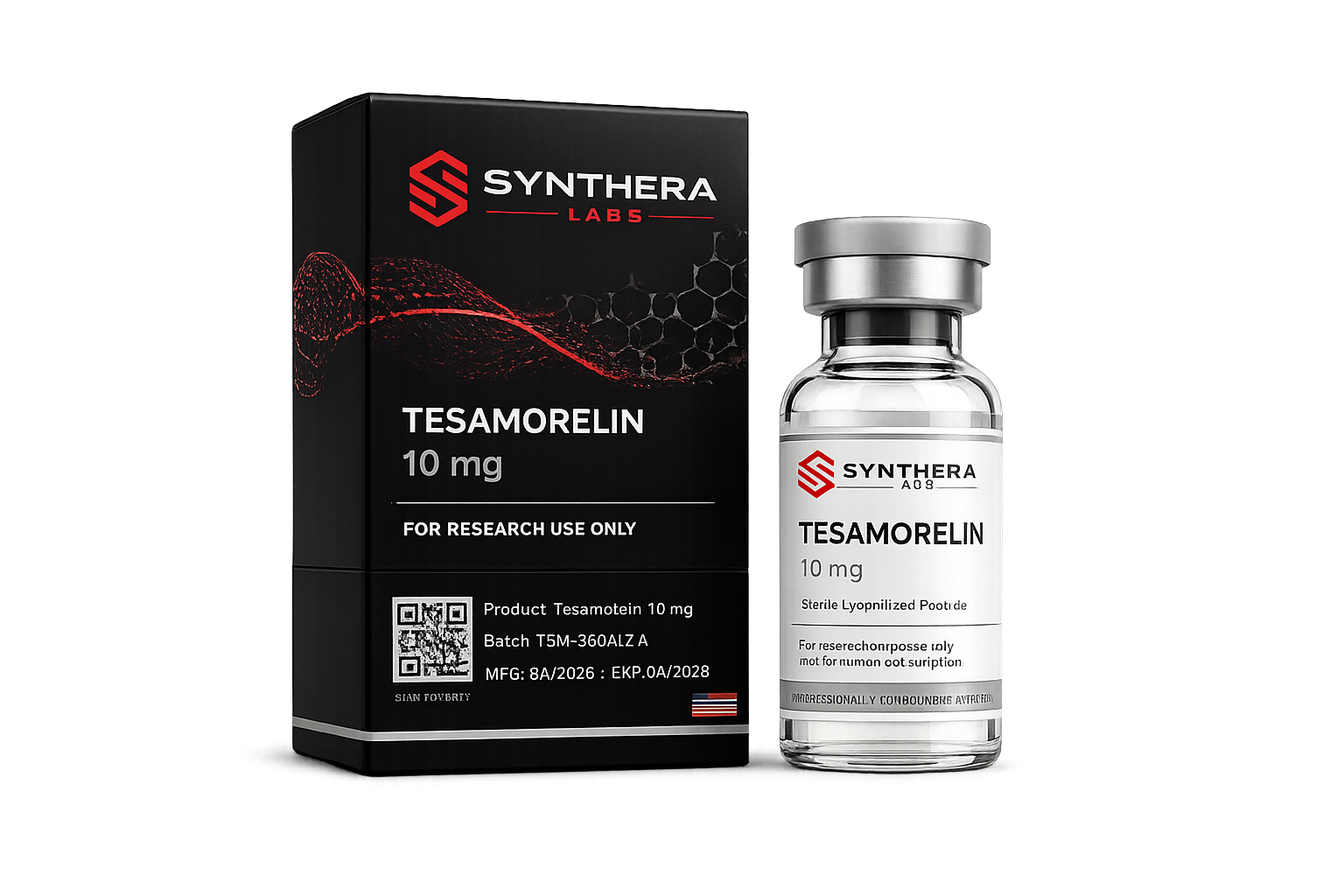
Tesamorelin 10 mg is a synthetic growth hormone-releasing hormone analog studied for its role in endogenous growth hormone signaling, IGF-1 pathway activation, visceral adiposity models, metabolic regulation, and body composition research.
Tesamorelin is structurally related to human growth hormone-releasing factor and is designed to stimulate GHRH/GRF receptor pathways associated with pulsatile growth hormone release from pituitary somatotroph cells. FDA prescribing information describes tesamorelin as a synthetic human growth hormone-releasing factor analog that binds and stimulates human GRF receptors, supporting endogenous GH release.
In research and clinical literature, tesamorelin has been studied primarily for its effects on visceral adipose tissue, particularly in models of HIV-associated lipodystrophy. Clinical data show that tesamorelin can reduce excess abdominal/visceral fat in that context, while its broader metabolic applications remain research-dependent and should not be overstated.
Research areas commonly associated with Tesamorelin include:
growth hormone-releasing hormone receptor signaling
endogenous GH and IGF-1 axis modulation
visceral adiposity research
body composition models
metabolic health research
lipolysis-associated pathways
endocrine signaling studies
hepatic and cardiometabolic research models
Synthera Labs presents Tesamorelin as part of its endocrine and metabolic research line, supported by global raw material sourcing, analytical documentation review, downstream processing standards, batch traceability, and QR-linked verification.
Product format: Lyophilized peptide
Concentration: 10 mg
Category: Endocrine / Metabolic Research
Peptide system: Tesamorelin
Use: Research use only
Disclaimer: This product is intended for laboratory research purposes only. Not for human consumption, diagnostic use, therapeutic use, or clinical application.
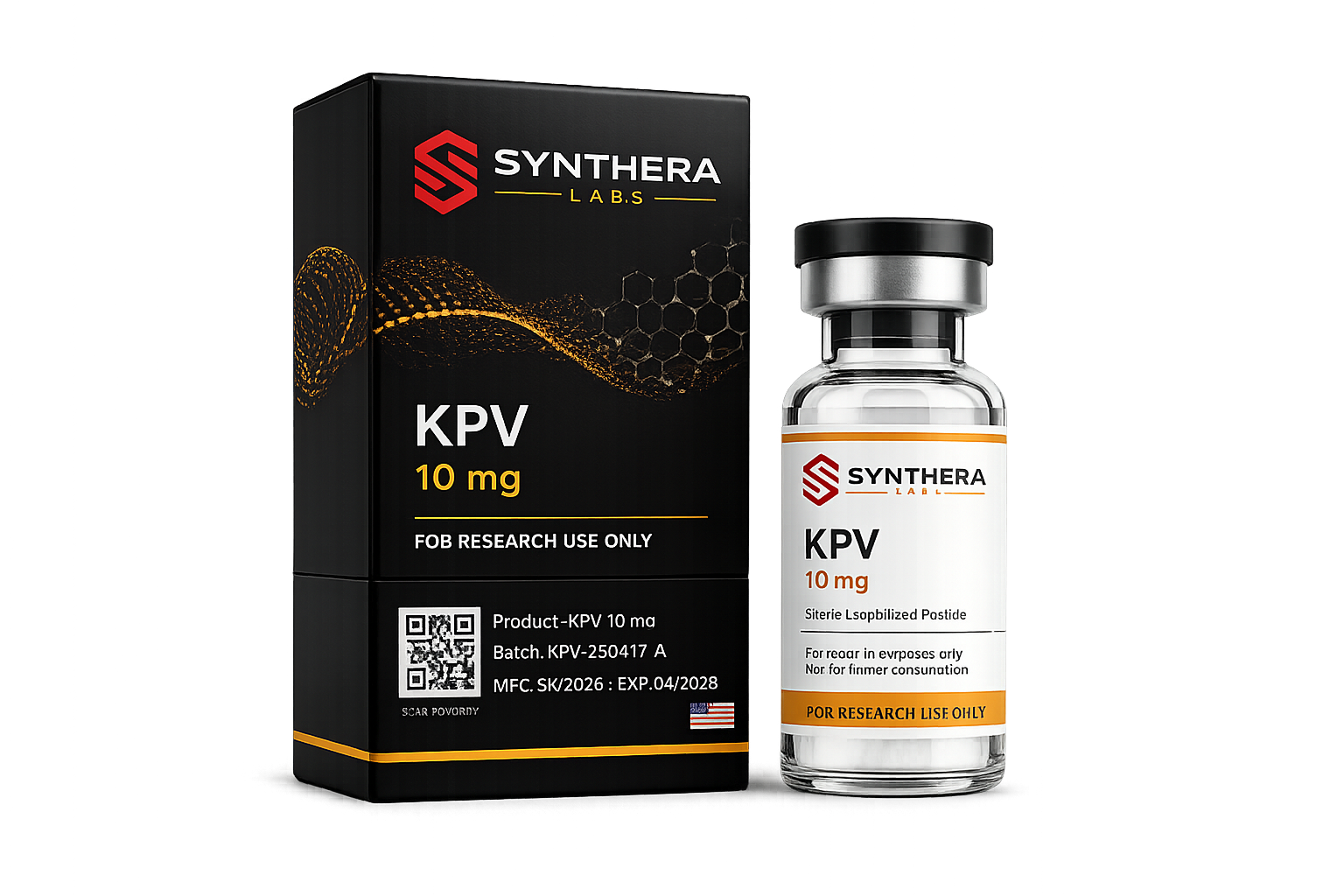
KPV 10 mg is a tripeptide research compound studied for its potential role in inflammatory modulation, immune signaling, epithelial barrier integrity, gut-related inflammatory models, skin inflammation pathways, and tissue protection research.
KPV is a short peptide sequence derived from the C-terminal region of alpha-melanocyte-stimulating hormone (α-MSH), commonly investigated for its interaction with pathways related to cytokine regulation, immune response modulation, NF-κB signaling, oxidative stress, and epithelial tissue homeostasis.
Research areas commonly associated with KPV include:
inflammatory signaling modulation
cytokine-related research pathways
gut barrier and intestinal inflammation models
epithelial tissue protection
dermatological inflammation research
oxidative stress response
immune balance and tissue recovery models
Synthera Labs presents KPV as part of its immunomodulatory and regenerative research line, supported by global raw material sourcing, analytical documentation review, downstream processing standards, batch traceability, and QR-linked verification.
Product format: Lyophilized peptide
Concentration: 10 mg
Category: Immunomodulatory / Inflammatory Research
Peptide system: KPV
Use: Research use only
Disclaimer: This product is intended for laboratory research purposes only. Not for human consumption, diagnostic use, therapeutic use, or clinical application.
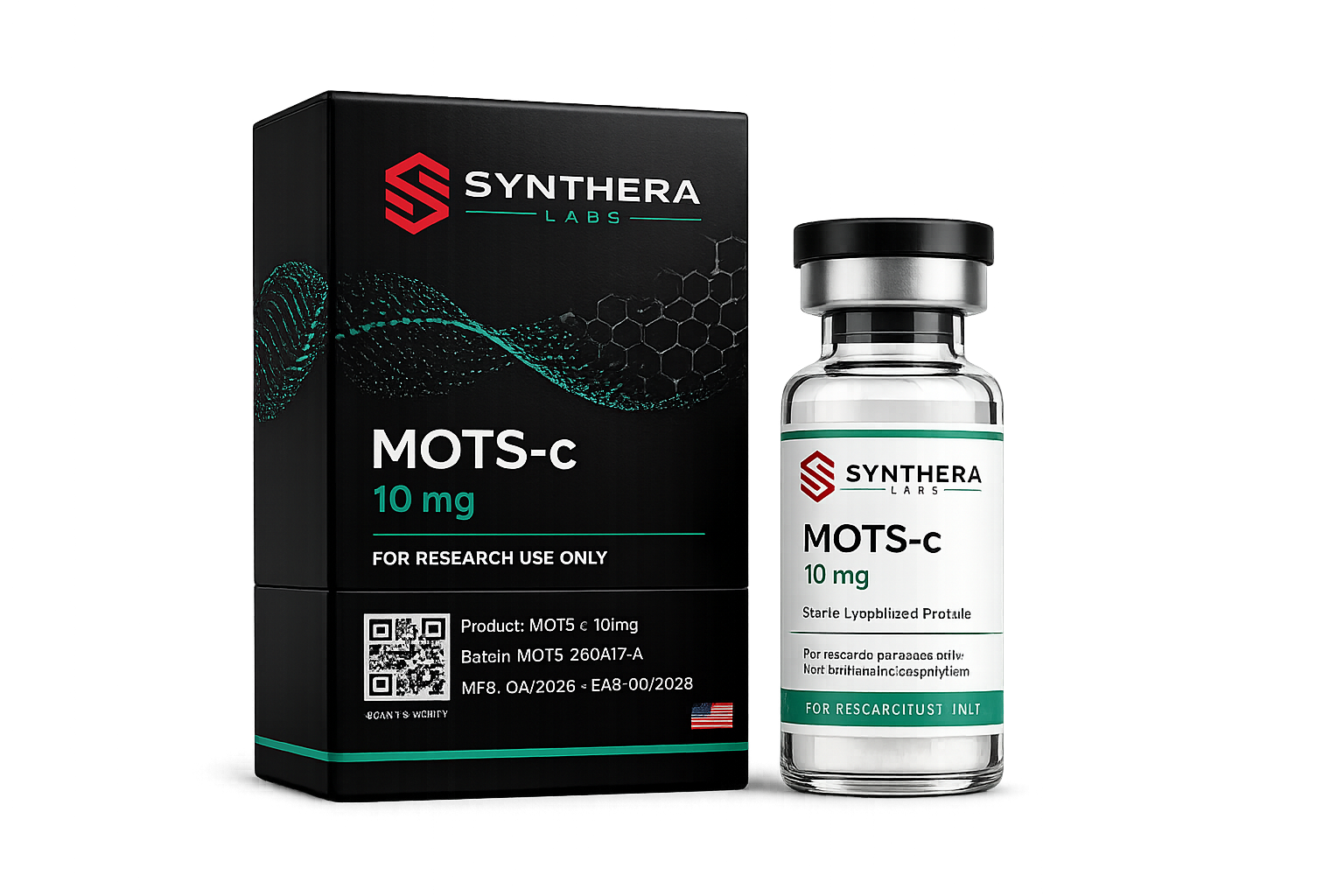
MOTS-c 10 mg is a mitochondrial-derived research peptide studied for its role in cellular energy regulation, metabolic signaling, glucose utilization pathways, mitochondrial stress adaptation, exercise-related molecular responses, and longevity-associated research models.
MOTS-c is a peptide encoded within mitochondrial DNA and is commonly investigated for its potential involvement in metabolic homeostasis, insulin sensitivity-related pathways, AMPK-associated signaling, skeletal muscle metabolism, and adaptive cellular stress responses.
Research areas commonly associated with MOTS-c include:
mitochondrial signaling pathways
metabolic flexibility research
glucose regulation and substrate utilization
AMPK-related activity
exercise-mimetic molecular pathways
cellular stress adaptation
skeletal muscle and energy metabolism models
longevity and metabolic resilience research
Synthera Labs presents MOTS-c as part of its mitochondrial and metabolic research line, supported by global raw material sourcing, analytical documentation review, downstream processing standards, batch traceability, and QR-linked verification.
Product format: Lyophilized peptide
Concentration: 10 mg
Category: Mitochondrial / Metabolic Research
Peptide system: MOTS-c
Use: Research use only
Disclaimer: This product is intended for laboratory research purposes only. Not for human consumption, diagnostic use, therapeutic use, or clinical application.
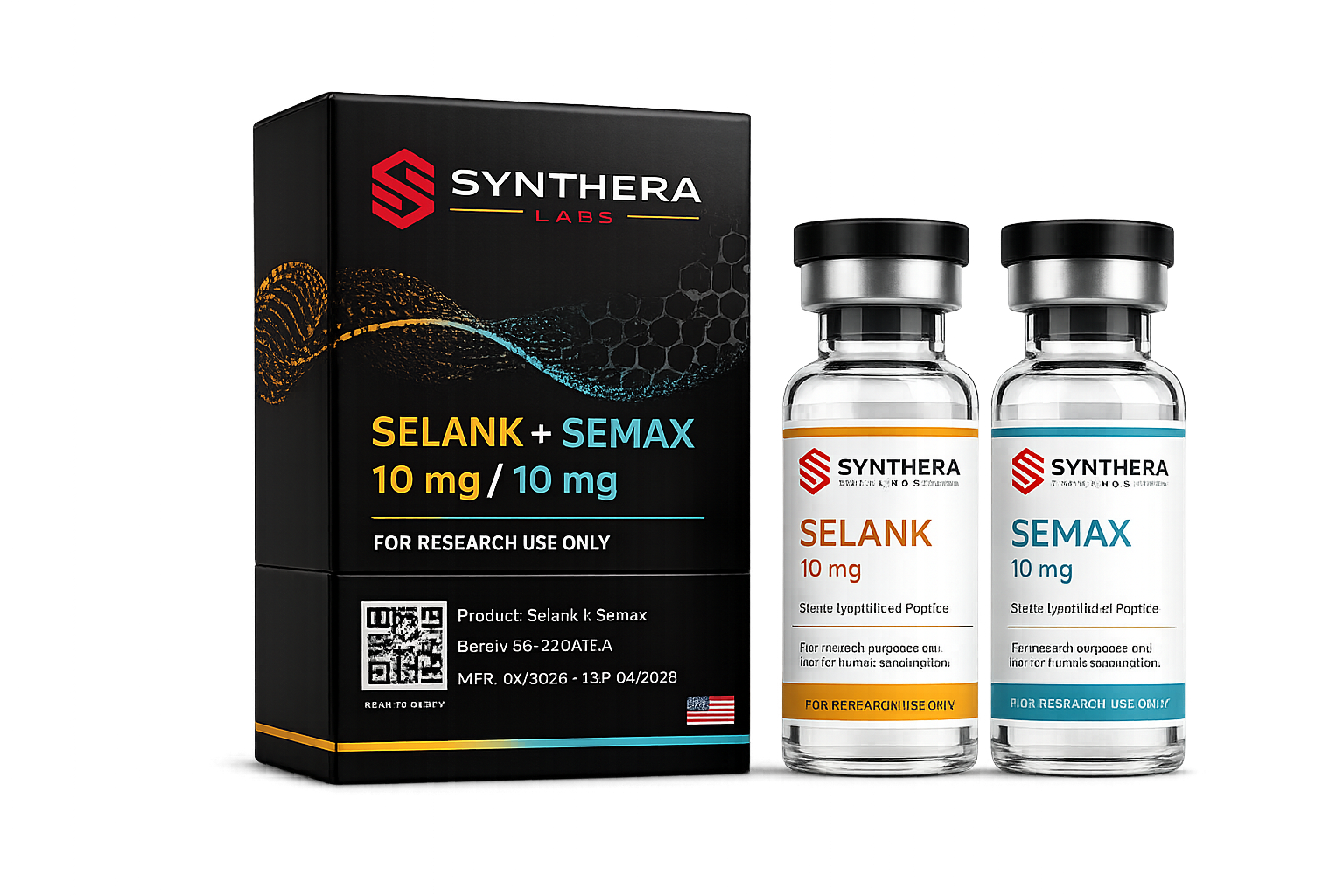
Selank + Semax 10 mg / 10 mg is a dual neuropeptide research blend designed for advanced studies related to cognitive performance models, neuroregulatory signaling, stress-response pathways, neurotransmitter modulation, neuroplasticity, and central nervous system research.
This formulation combines:
Selank 10 mg
Semax 10 mg
Selank is a synthetic heptapeptide analog commonly studied for its potential interaction with stress modulation, anxiolytic-like pathways, immune-neural communication, emotional regulation, and GABAergic signaling models.
Semax is a synthetic peptide analog commonly investigated for its potential role in neuroprotection, attention models, memory-related mechanisms, BDNF-associated pathways, cognitive signaling, and dopaminergic modulation.
Together, Selank + Semax are commonly researched as a complementary cognitive and neuroregulatory peptide system, with applications in models related to focus, mental clarity, stress resilience, cognitive recovery, neuroplasticity, and CNS regulation.
Product format: Lyophilized peptide blend
Concentration: 10 mg Selank + 10 mg Semax
Total content: 20 mg
Category: Cognitive / Neuroregulatory Research
Use: Research use only
Disclaimer: This product is intended for laboratory research purposes only. Not for human consumption, diagnostic use, therapeutic use, or clinical application.
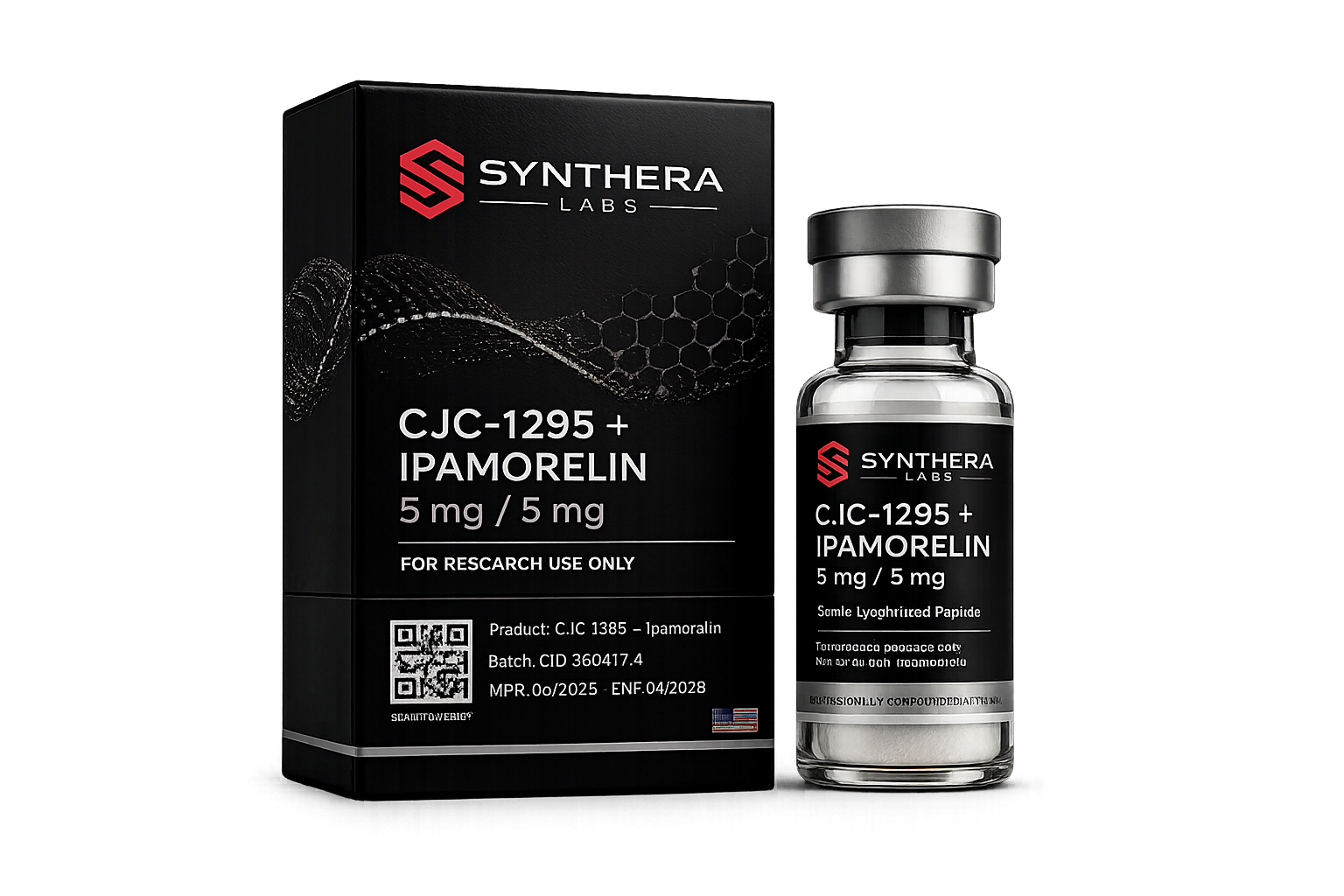
CJC-1295 5 mg + Ipamorelin 5 mg is a dual-peptide research blend designed for advanced studies related to growth hormone signaling, IGF-1 pathway modulation, recovery-related biology, sleep-associated endocrine activity, body composition models, and metabolic regulation research.
This formulation combines two widely studied secretagogue-based peptide systems:
CJC-1295 is a synthetic peptide analog associated with growth hormone-releasing hormone (GHRH) research, commonly investigated for its role in stimulating endogenous growth hormone signaling through GHRH receptor pathways and supporting IGF-1-related research models.
Ipamorelin is a selective peptide secretagogue commonly studied for its interaction with ghrelin receptor / growth hormone secretagogue receptor (GHS-R) pathways, with research interest focused on pulsatile growth hormone signaling, recovery-related endocrine activity, and metabolic support models.
Together, CJC-1295 + Ipamorelin are commonly investigated as a complementary endocrine research system due to their potential involvement in:
endogenous growth hormone signaling
IGF-1-associated pathways
recovery and regenerative research models
body composition and metabolic regulation
sleep-related endocrine activity
lean mass and tissue recovery research
performance and resilience models
hormonal rhythm and secretagogue-based signaling
Synthera Labs presents this compound as part of its endocrine and recovery research line, supported by global raw material sourcing, analytical documentation review, downstream processing standards, batch traceability, and QR-linked verification.
Product format: Lyophilized peptide blend
Concentration: 5 mg CJC-1295 + 5 mg Ipamorelin
Total content: 10 mg
Category: Endocrine / Recovery Research
Peptide system: CJC-1295 + Ipamorelin
Use: Research use only
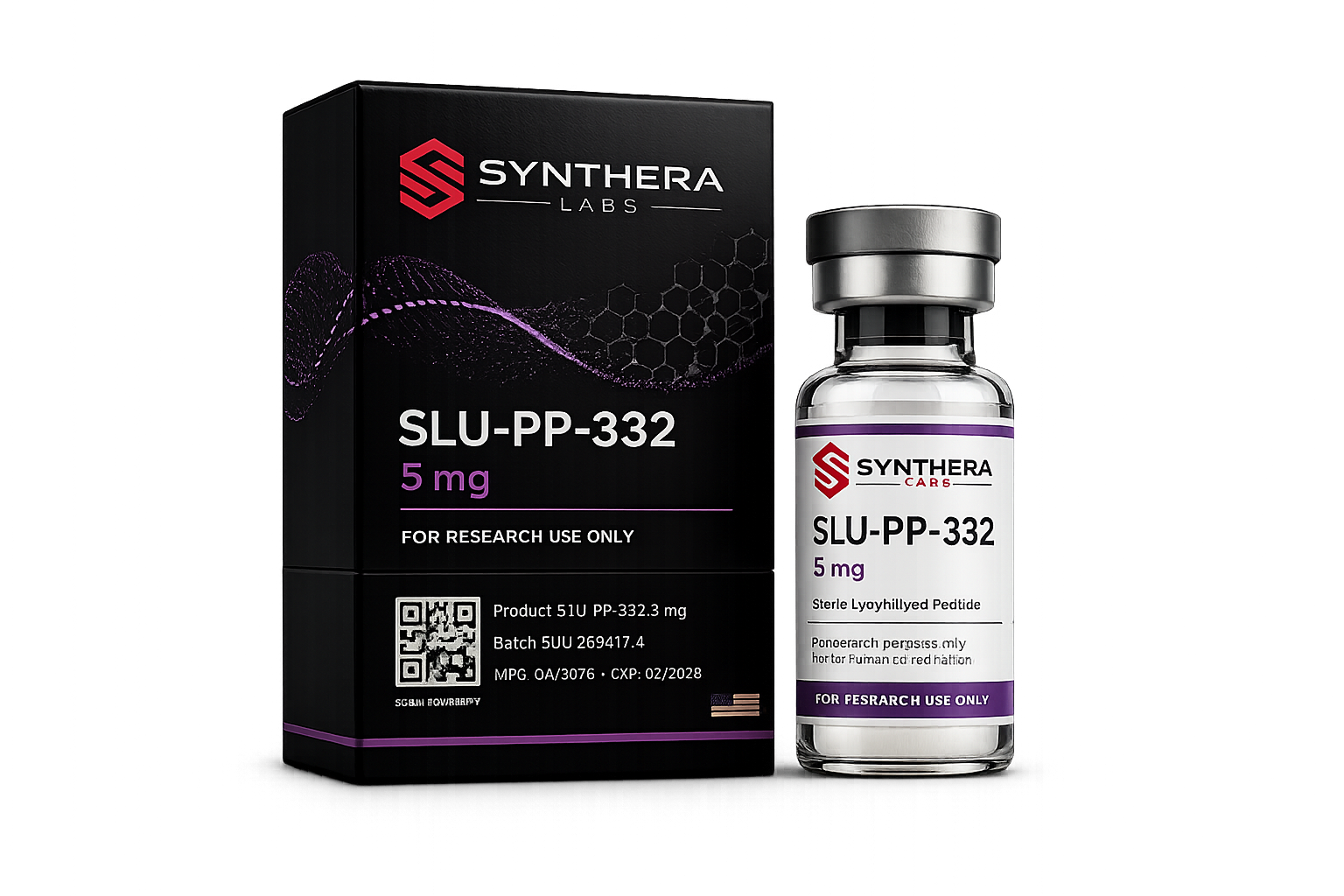
SLU-PP-332 5 mg is an advanced metabolic research compound studied for its potential role in exercise-mimetic signaling, energy expenditure regulation, mitochondrial function, fatty acid oxidation, endurance-related pathways, and metabolic flexibility models.
SLU-PP-332 is commonly investigated as an ERR agonist — estrogen-related receptor agonist — with research interest focused on its interaction with transcriptional programs involved in oxidative metabolism, skeletal muscle adaptation, mitochondrial biogenesis, and substrate utilization.
Research areas commonly associated with SLU-PP-332 include:
exercise-mimetic molecular pathways
mitochondrial energy regulation
fatty acid oxidation research
skeletal muscle metabolism
endurance and performance-related models
metabolic flexibility
glucose utilization pathways
obesity and body composition research models
Synthera Labs presents SLU-PP-332 as part of its metabolic and mitochondrial research line, supported by global raw material sourcing, analytical documentation review, downstream processing standards, batch traceability, and QR-linked verification.
Product format: Lyophilized research compound
Concentration: 5 mg
Category: Metabolic / Mitochondrial Research
Compound system: SLU-PP-332
Use: Research use only
Disclaimer: This product is intended for laboratory research purposes only. Not for human consumption, diagnostic use, therapeutic use, or clinical application.
No results found
No results match your search. Try removing a few filters.